Roza (Fasting) in Islam: A Complete Guide to Rules, Benefits, and Spiritual Significance
Roza, or fasting during the holy month of Ramadan, is one of the five pillars of Islam and a deeply transformative spiritual practice. Every year, millions of Muslims around the world abstain from food, drink, and other physical needs from dawn until sunset, dedicating themselves to worship, reflection, and self-discipline. This guide explores everything you need to know about Roza in Islam — its meaning, rules, spiritual benefits, and practical guidance for a blessed Ramadan.
What is Roza?
The Arabic word "Sawm" (صوم), commonly known as Roza in Urdu and Persian, literally means "to abstain" or "to refrain." In Islamic terminology, Roza refers to abstaining from food, drink, and marital relations from Fajr (pre-dawn) until Maghrib (sunset), with the sincere intention of seeking Allah's pleasure.
 A golden crescent moon with an Islamic lantern and gifts, representing the blessed month of Ramadan
Roza in the Quran and Hadith
Fasting was prescribed for the Muslim Ummah just as it was prescribed for previous nations. The Quran declares:
The Prophet Muhammad (peace be upon him) emphasized the immense rewards of fasting. He said:
Who Must Fast? Conditions and Exemptions
Fasting during Ramadan is obligatory (Fard) upon every adult, sane, and capable Muslim. However, Islam is a religion of ease, and certain exemptions are provided:
Those Exempted from Fasting
- Children: Not obligatory until puberty (around age 7 they should be encouraged)
- The Sick: May break fast if it causes harm; must make up (Qada) later
- Travelers: May break fast during journey; must make up later.
- Pregnant & Nursing Women: May break fast if there is risk to mother or child; must make up later
- Menstruating Women: Must break fast; must make up later (no fasting during menses)
- The Elderly/Chronically Ill: May break fast; provide Fidya (feeding a poor person per day)
When to Fast: Ramadan and Voluntary Fasts
1. Ramadan (Obligatory)
The ninth month of the Islamic lunar calendar, during which Sawm is Fard (obligatory) for all eligible Muslims.
2. Voluntary (Nafl) Fasts
The Prophet (PBUH) encouraged voluntary fasting throughout the year, particularly on:
- Mondays and Thursdays
- The 13th, 14th, and 15th of each lunar month (Ayyam al-Beed)
- The Day of Arafah (9th Dhul Hijjah) — expiates sins of the previous and coming year.
- Ashura (10th Muharram): expiates sins of the previous year
 Devotees offering prayers inside a shrine on the first day of Ramadan
How to Fast: A Step-by-Step Guide
1. Sehri (Suhoor) — The Pre-Dawn Meal
Eating Sehri is a Sunnah and carries great blessings. The Prophet (PBUH) said:
Best foods for Sehri: Complex carbohydrates (oats, whole grains), protein (eggs, yogurt), and plenty of water.
2. The Intention (Niyyah)
For an obligatory fast, the intention must be made during the night before dawn. The Prophet (PBUH) said:
3. Abstaining During the Day
From Fajr until Maghrib, the fasting person must abstain from:
- Eating and drinking
- Marital relations
- Smoking and intoxicants
- Deliberately vomiting
4. Iftar — Breaking the Fast
It is Sunnah to hasten the Iftar at sunset. The Prophet (PBUH) said:
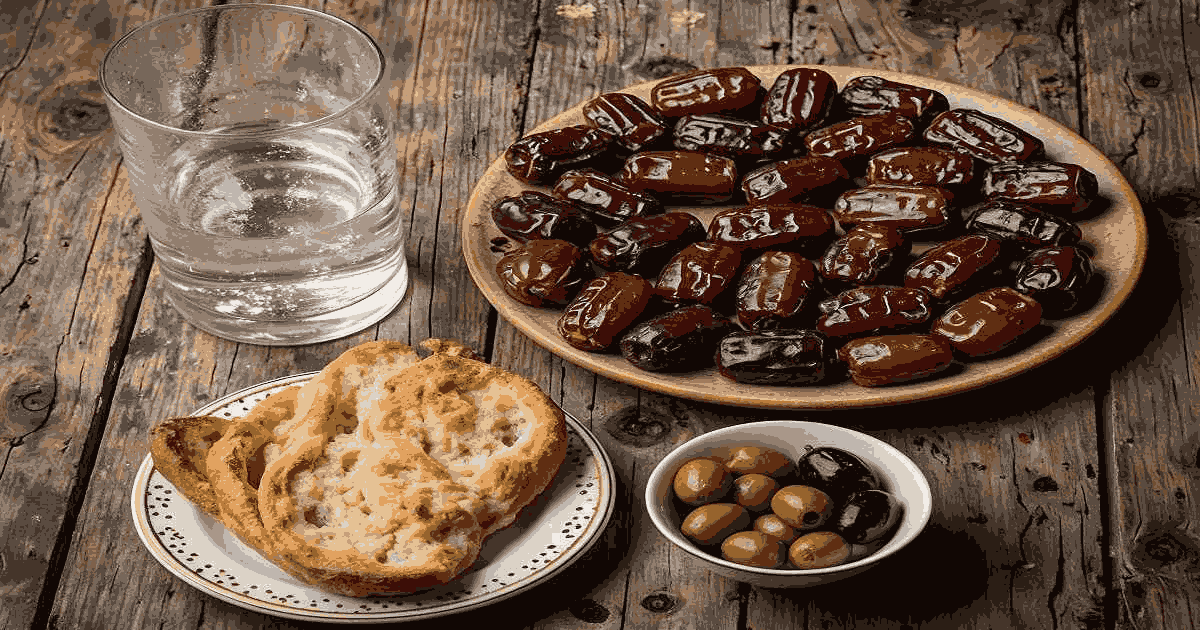
Recommended Iftar items: Dates and water, following the Sunnah of the Prophet.
An Iftar spread with dates, water, and traditional foods to break the Ramadan fast
Things That Invalidate the Fast (Mufsirat)
The following acts break the fast and require Qada (makeup):
- Eating or drinking deliberately
- Intentional vomiting
- Marital relations (requires Kaffarah — expiation)
- Menstruation or postnatal bleeding
- Blood transfusion or cupping (Hijama) if it weakens the person
- Smoking or using intoxicants
Things That Do NOT Break the Fast
- Eating or drinking out of forgetfulness (the fast remains valid)
- Unintentional vomiting
- Bathing, showering, or using perfume
- Applying eye drops or kohl
- Brushing teeth (without swallowing)
- Involuntary emission
Spiritual Benefits and Rewards of Roza
Fasting is not merely physical abstinence — it is a comprehensive spiritual training. Here are some of the profound benefits:
1. Forgiveness of Sins
2. A Shield from Hellfire
3. Allah's Special Reward
4. Intercession on the Day of Judgment
5. Laylat al-Qadr — The Night of Power
6. Increased Taqwa (God-Consciousness)
The ultimate goal of fasting is spiritual purification and drawing closer to Allah.
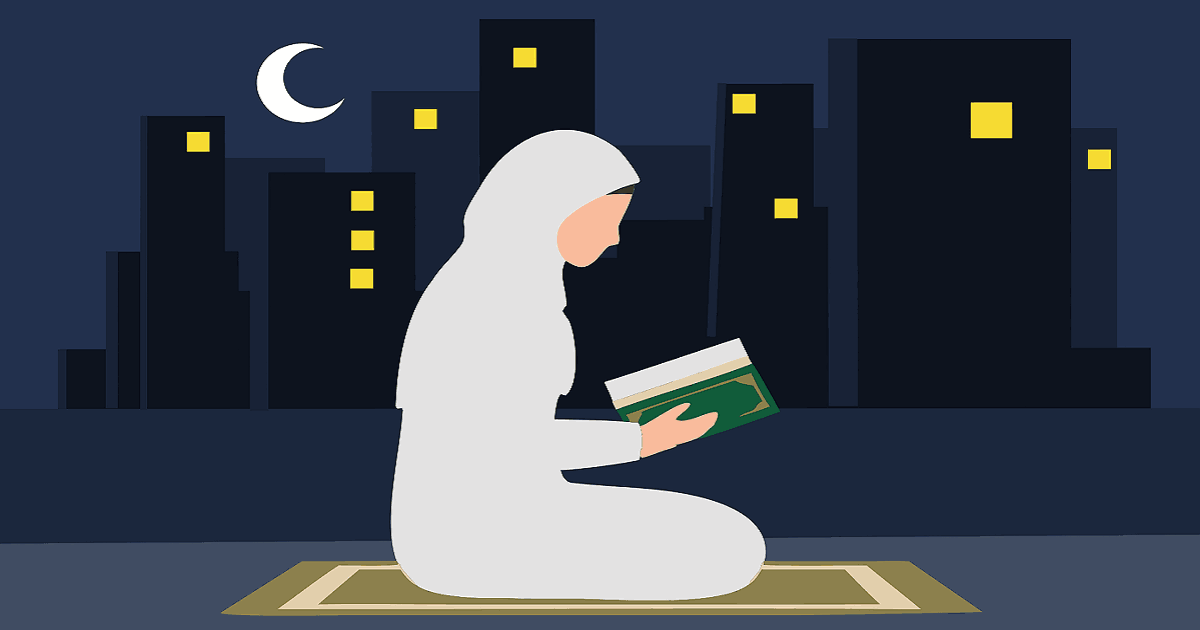 A Muslim woman reading the Quran inside a shrine on the first day of Ramadan
The Manners (Adab) of Fasting
To maximize the spiritual benefits of Roza, Muslims should observe the following etiquettes:
- Recite and study the Quran — make a daily habit of reading and reflecting
- Be generous and charitable — give to the needy and poor
- Maintain good family ties — keep good relations with relatives
- Avoid sins of the tongue — no backbiting, lying, slander, or quarrelling
- Delay Sehri and hasten Iftar
- Break the fast with dates or water
- Increase in Dua — the fasting person's supplication is not rejected
- Perform Taraweeh and Qiyam al-Layl
- Seek Laylat al-Qadr in the last ten nights, especially odd nights
Ramadan Timings: Sehri and Iftar
Ramadan timings vary by location and date. Here is an example of the Ramadan 2026 calendar for Karachi (Fiqh-e-Hanafi):
| Ramadan | Date | Sehri | Iftar |
|---|---|---|---|
| 1 | 19 Feb 2026 | 05:47 AM | 06:28 PM |
| 2 | 20 Feb 2026 | 05:46 AM | 06:29 PM |
| 3 | 21 Feb 2026 | 05:45 AM | 06:30 PM |
| 4 | 22 Feb 2026 | 05:44 AM | 06:31 PM |
| 5 | 23 Feb 2026 | 05:43 AM | 06:31 PM |
Tip: Always consult your local mosque or reliable Islamic app for accurate Sehri and Iftar times in your city.
Frequently Asked Questions About Roza
Q1: What is Roza?
Roza (Sawm) is the Islamic practice of fasting from dawn (Fajr) to sunset (Maghrib), abstaining from food, drink, and marital relations with the intention of seeking Allah's pleasure.
Q2: Is Roza only in Ramadan?
No. While Ramadan is the obligatory month of fasting, voluntary (Nafl) fasts are encouraged throughout the year, such as on Mondays, Thursdays, and the 13th–15th of each lunar month.
Q3: What breaks the fast?
Deliberate eating, drinking, marital relations, and intentional vomiting break the fast. Eating out of forgetfulness does not break the fast.
Q4: Who is exempt from fasting?
Children, the sick, travelers, pregnant/nursing women, menstruating women, and the elderly may be exempted, with rules for makeup (Qada) or Fidya depending on the situation.
Q5: What is the reward of fasting?
Forgiveness of sins, protection from Hellfire, intercession on Judgment Day, and the special pleasure of Allah. The Prophet (PBUH) said: "Fasting is for Me, and I shall reward it."
Conclusion
Roza is far more than abstaining from food and drink — it is a complete program of spiritual, moral, and physical discipline designed to bring a believer closer to Allah. Through Sehri and Iftar, increased Quran recitation, charity, and night prayers, Muslims emerge from Ramadan with renewed faith, purified hearts, and a heightened sense of Taqwa.
As the Prophet (PBUH) said:
May Allah accept the fasts, prayers, and good deeds of all Muslims during Ramadan and beyond. Ameen.